A natural refrigerator
Narusawa Ice Cave and Fugaku Wind Cave — ice that never melts, even in summer.
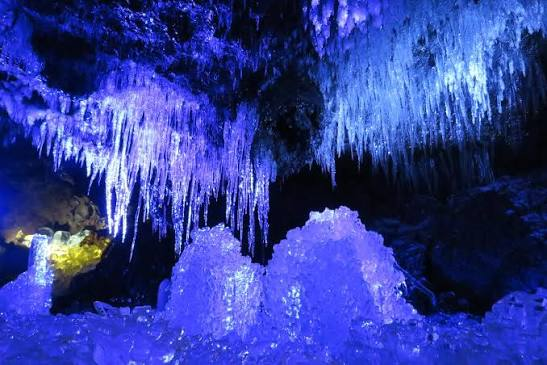
"Narusawa Ice Cave," near the entrance to the sea of trees, is a lava cave that stays around 0°C year-round, with ice pillars and blocks visible on the walls and floor even at the height of summer. It was historically used as a natural refrigerator, storing silkworm eggs and even harvested ice for storage and sale.
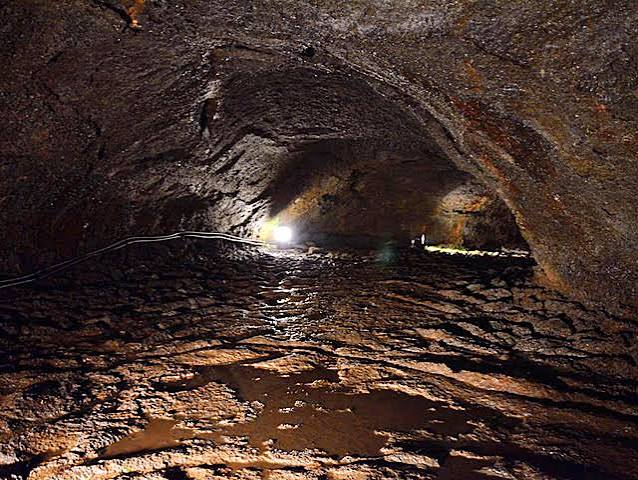
Nearby, "Fugaku Wind Cave" is larger than Narusawa Ice Cave, extending several hundred meters in total length. It too has a history of use as a storage facility for silkworm eggs, and traces of the old storage shelves still remain inside.
Faith and caves
Hitoana — a lava cave that is also a Fuji-ko sacred site, and a World Heritage component.
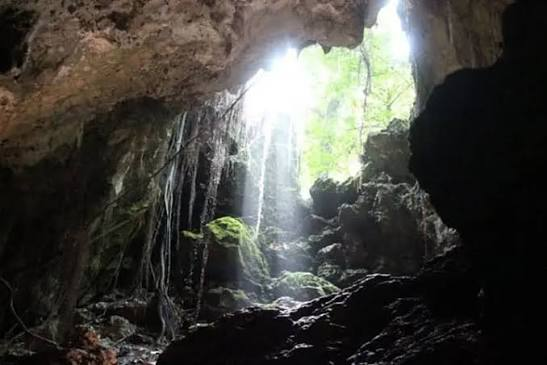
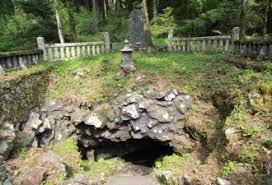
"Hitoana," in Fujinomiya City, Shizuoka, is a lava cave that also carries special significance as one of the central sites of Fuji faith. Kakugyo, considered the founder of Fuji-ko, is said to have secluded himself in this cave and undergone severe ascetic practices, establishing his own unique system of belief. During the Edo period it became a pilgrimage site for Fuji-ko devotees, and hundreds of memorial monuments erected by believers still stand densely packed around the cave today.
In recognition of this historical value, it's formally registered as one of the 25 component assets of Mount Fuji's World Heritage listing, under the name "Hitoana Fuji-ko Site." Unlike the other wind and ice caves, what sets Hitoana apart is that it's valued not merely as a natural landform but as a precious historical site conveying the reality of Edo-era commoner faith. The full story of Kakugyo and Fuji-ko is covered on the "Fuji-ko Faith" page.
An ecological view
Lake Sai Bat Cave — one of Japan's largest hibernation sites.
"Lake Sai Bat Cave," within the sea of trees, is one of the largest lava caves in Japan by total length, and is known as one of the country's foremost hibernation and breeding sites for bat species including the greater horseshoe bat and the Japanese pipistrelle. Part of it is open on guided tours, letting visitors observe the lava geology and the ecosystem up close together — a connoisseur-grade spot beloved by enthusiasts.
Next
Why did those who secluded themselves in caves build a mass movement of faith?
Starting with Kakugyo, who trained in Hitoana, the "Fuji-ko" faith swept through explosively among Edo commoners. The next page traces its full story.
Read about Fuji-ko Faith →